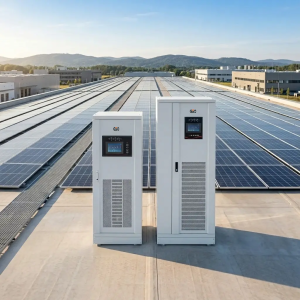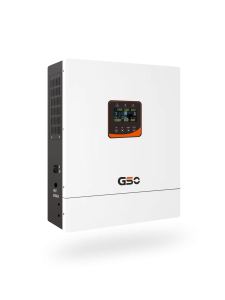

An all in one solar generator can make solar energy easier to use after sunset or during a power interruption. Our GSOpower’s GSL Series is a stackable unit that combines a hybrid inverter, lithium iron phosphate battery modules, solar charging control, and battery management. Unlike a fuel generator, it stores electricity rather than producing it by burning fuel. It is also designed as a stationary system, rather than a small device to carry on a camping trip. Understanding those distinctions is the first step toward choosing a useful setup.
What All in One Really Means
An all in one solar power system brings the main conversion, storage, and control components together. Solar panels produce DC electricity. The battery stores some of that energy, and the inverter supplies AC power to connected appliances. A battery management system monitors the battery, while a built-in MPPT controller manages charging from the solar array.
The words all in one do not mean that solar panels come inside the unit. Panels must be selected and connected separately. The GSL can also charge from the grid and supply loads without panels, so owners can begin with storage and add solar later if the installation supports it. Because the inverter is already integrated, this product is not intended to pair with a separate third-party inverter.
How Energy Moves Through the System
On a sunny day, electricity from the panels can serve connected loads and charge the battery, depending on the selected operating mode and available solar output. After sunlight fades, stored energy can power those loads until the battery reaches its configured limit. Grid input provides another charging source. The GSL product page lists three output modes and four charging modes, giving installers options for different priorities.
During an outage, backup performance depends on the circuits connected to the system, the amount of energy stored, and the inverter’s output rating. A battery does not automatically keep every appliance in a building running. Ask your installer which loads will receive power, how the changeover is configured, and what will happen when the battery is depleted.
Choose Power and Capacity Separately
Before choosing an all in one solar power system, make a list of the appliances you expect it to run. Add their running wattages to estimate the simultaneous load. Then identify equipment, such as pumps or air conditioners, that may need extra power at startup. The inverter must be able to handle the intended combination of loads; adding battery modules cannot raise the inverter’s rated output.
Next, estimate how much energy you need. A set of essential loads drawing an average of 1 kW for six hours needs about 6 kWh of delivered energy. Allow additional capacity for conversion losses, operating limits, and uncertainty in the load estimate. If solar panels will recharge the battery, consider seasonal sunlight and shading rather than assuming every day will deliver the same amount of energy.
Our GSL Series has 5.5 kW and 10 kW inverter models. The listed 5.5 kW configurations pair that output with 10, 20, or 30 kWh of battery capacity. The listed 10 kW configurations offer 10 or 20 kWh. That range lets customers choose both the power available at one time and the energy available over time, instead of treating one number as a substitute for the other.
Why the Stackable Design Matters
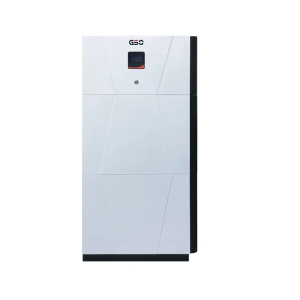
The GSL battery modules stack beneath the inverter section. A customer can start with a listed 10 kWh configuration and consider additional modules as energy needs change, subject to the chosen model’s supported configuration. This compact arrangement can be useful in a home utility area or a small commercial site where separate wall-mounted components would take up more space.
The product also includes app-based monitoring through its intelligent battery management system. Monitoring helps an owner see system status, but it does not replace a suitable installation or a clear plan for which loads matter most. Our integrated design reduces the need to source separate battery and inverter components, while still leaving solar panels and site-specific electrical work to be planned.
Check the Installation Details
A stackable solar generator is substantial equipment. The GSL configurations listed on the product page weigh from 125 kg to 325 kg, depending on battery capacity, and carry an IP20 protection rating. Choose a suitable protected location with enough space for the unit, its wiring, and ventilation. Have a qualified installer check the floor, electrical connections, and local requirements before the system is commissioned.
Discuss the solar array as well. Panel output and electrical characteristics must match the selected model’s PV input limits. If backup is a priority, decide which circuits should remain active rather than assuming the unit will power an entire property. These decisions determine how well the system meets expectations long after installation day.
Conclusion
A useful all in one solar power system starts with a simple question: what must it power, and for how long? From there, compare inverter output, battery capacity, solar input, installation space, and expansion plans. This approach gives beginners a clearer way to evaluate an integrated unit without confusing stored energy with instant power.
At GSOpower, we offer the GSL Series for customers who want a stationary, stackable solar storage solution with an integrated inverter and flexible battery capacity. With the right site design, it can support everyday solar use and selected backup loads in one coordinated system.