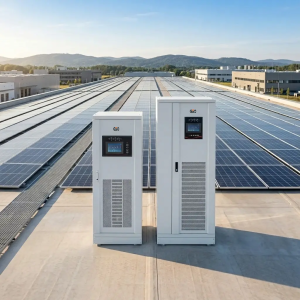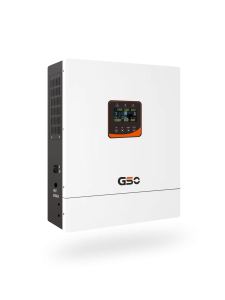

An all in one solar generator combines solar charging, battery storage, inverter output, and power distribution in one package. This means fewer separate components and a simpler commissioning process. Before investing, understand capacity, load limits, expansion, installation conditions, and the difference between a battery backup unit and a complete All in One Solar Power System.
What is an All in One Solar Power System
An All in One Solar Power System integrates the functions that are often purchased separately. Solar panels feed the built-in MPPT controller, the battery stores energy, and the hybrid inverter supplies AC power to connected loads. The unit can also charge from the grid when solar generation is low or when a time-of-use tariff makes off-peak charging attractive.
This architecture reduces component matching on site. A split installation may need a separate inverter, battery bank, charge controller, protection equipment, and communication wiring. An integrated unit arrives pre-wired and factory tested, so the installer can focus on the PV array, loads, safety devices, and commissioning.
Is an All in One Solar Generator the Same as a Fuel Generator
No. An all in one solar generator stores electricity in a battery and releases it through an inverter. It produces no exhaust while operating and does not require fuel deliveries. A fuel generator creates electricity as its engine runs, so it can continue for a long outage as long as fuel is available.
An all in one solar generator suits daily solar self-consumption, quiet backup, and sites where fuel storage is inconvenient. Runtime is limited by battery capacity and charging energy. For extended cloudy periods or large loads, combine an all in one solar power system with additional PV, grid charging, or a conventional generator.
Product Spotlight
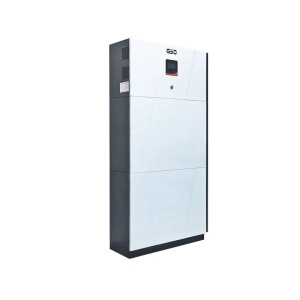
Our GSOpower’s GSL Series Stacked PV and Battery Energy Storage Integrated Machine is our modular All in One Solar Power System for residential and small commercial applications. It combines a 5.5kW or 10kW hybrid inverter, LiFePO4 battery modules, MPPT charging, and battery management in one stackable unit. Available configurations provide 10kWh, 20kWh, or 30kWh of battery capacity, allowing a customer to start with one module and expand as energy needs increase.
We designed the GSL Series for straightforward installation and everyday control. The inverter delivers pure sine wave AC output, with a typical inverter and bypass switching time of 10ms. Three output modes and four charging modes let users prioritize solar, mains power, or a combination of both. The built-in MPPT reaches up to 99.9% tracking efficiency on the applicable configurations, helping the system capture changing PV production.
The GSL stack includes intelligent BMS supervision and app-based cloud monitoring for operating data and system status. DSP control, multi-layer warnings, and forced-air inverter cooling support stable operation. The equipment is rated for indoor IP20 installation and -10°C to 55°C operation, so the site needs suitable protection and ventilation.
How Much Capacity Do You Need
Choose capacity from the loads you need to run and the backup hours required. A 10kWh configuration may suit refrigeration, lighting, communications, and home-office equipment. A 20kWh or 30kWh configuration can provide longer evening operation or support larger household and small-business loads. Runtime changes with inverter efficiency, battery reserve, weather, and demand.
Power rating matters as much as energy capacity. A 5.5kW inverter can supply substantial daily loads, but it cannot run unlimited high-draw appliances at once. Check the starting surge of air conditioners, pumps, compressors, and other motors before selecting a model. The 10kW version offers more continuous output for larger homes and small businesses, subject to the final load calculation and local requirements.
Can You Add Batteries Later
Yes. The stacked design places additional battery modules beneath the inverter. You can begin with 10kWh, then expand to 20kWh or 30kWh without replacing the complete machine. This staged approach helps customers align spending with current consumption while keeping a clear path for future electric vehicles, new appliances, or business equipment.
Expansion still requires planning. Confirm that floor loading, clearance, cables, protection devices, module series, firmware, and commissioning procedures support the final capacity.
Does the System Work without Solar Panels
Yes. The GSL can charge from the mains and discharge to connected loads even when panels are not installed. Solar input remains valuable because it can reduce grid purchases and recharge the battery during the day. If panels are connected, the built-in MPPT controller manages their output; no external inverter is required for the integrated design.
Is an Integrated System Better than a Split System
An integrated All in One Solar Power System can save space, shorten wiring work, and simplify responsibility for support. A split system may offer more freedom to combine equipment from different manufacturers or replace individual components over time. Compare total installed cost, service access, warranty terms, communication requirements, and installer skills.
An all in one solar generator is especially practical when a customer wants a clean installation with predictable equipment interfaces. A split design may be preferable when the project already has a high-capacity inverter or unusual voltage requirements. The best choice follows the site and operating goal rather than the appearance of the equipment.
What Should You Check before Investing
Review usable capacity, continuous and peak inverter power, battery chemistry, cycle rating, warranty, temperature limits, enclosure rating, and emergency procedures. Confirm monitoring communication and remote fault diagnosis. Model savings from solar self-consumption, backup value, and time-of-use operation using your tariff and load data.
Conclusion
An All in One Solar Power System can make solar storage easier to specify, install, and expand when its capacity and operating limits match the site. The GSL Series offers integrated PV charging, a hybrid inverter, LiFePO4 storage, multiple operating modes, and stackable 10kWh modules for residential and small commercial use. At GSOpower, we help customers compare an all in one solar generator with split alternatives and select a configuration that supports reliable, practical energy use.