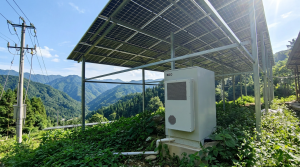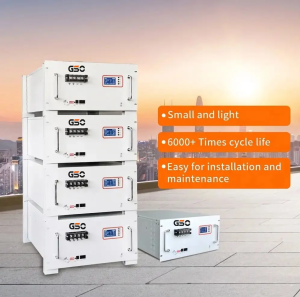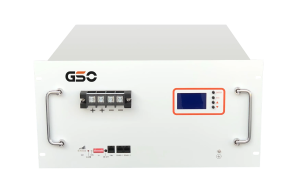

Home battery storage for solar solves a timing problem: solar panels often produce the most electricity during the day, while household demand continues after sunset. Instead of treating excess generation and evening consumption as separate events, a battery connects them. We can charge the battery when solar power is available, then discharge it through the inverter when the home needs electricity.
The Energy That Would Otherwise Be Missed
Solar generation and household consumption rarely line up perfectly. A family may produce surplus electricity around midday while using more power after work, when solar output is falling. Storage changes that pattern by keeping some generated energy available for later use.
A home battery can also charge from the grid where the system and local tariff structure permit it. That creates another operating strategy: charge during lower-cost periods and use stored energy during higher-cost periods. With GSOpower, you get both solar charging and off-peak grid charging as available operating modes.
The important point is that storage is not another source of electricity. It is a way of moving electricity through time. That distinction makes it easier to understand what the system can and cannot accomplish.
What Actually Happens Inside the System
A typical solar-storage setup has several coordinated elements. Solar panels generate DC electricity. The hybrid inverter manages power conversion and directs energy between the PV array, battery, home loads, and grid. The battery stores electrical energy and later releases it through the inverter.
During daylight, available solar energy can serve household loads first, with surplus directed into the battery according to the system’s operating settings. After solar production decreases, stored energy can be discharged to support the home.
The battery’s Battery Management System, or BMS, supervises battery operation. The GBP-W series uses LiFePO4 cells and specifies protection and monitoring functions, while its product page lists 5,000+ cycles at 80% depth of discharge. These details matter because the battery is an engineered system rather than simply a collection of cells.
Why Backup Is More Than Extra Capacity
The phrase battery backup for home can suggest that a large battery automatically keeps an entire house running during an outage. In practice, the result depends on the inverter, battery power capability, connected loads, and system configuration.
A useful design starts by separating essential and non-essential loads. Refrigerators, lighting, communications equipment, and selected circuits may have different priorities from electric heating, large air-conditioning systems, or other high-demand equipment. Battery capacity determines how long energy can be supplied, while power capability determines what can operate at the same time.
The system can deliver stored energy through a hybrid inverter when the grid is unavailable, with automatic transfer in under 10 ms. This figure is product-specific and should not be assumed as a universal characteristic of all home batteries.
How Much Storage Does a Home Actually Need?
Capacity should be based on the home’s energy pattern rather than a standard number. Start by identifying daily consumption, evening demand, critical backup loads, and the amount of solar energy that is normally available for charging.
A home that mainly wants to shift surplus daytime solar into evening use may need a different capacity from a household seeking extended outage coverage. The first application depends heavily on daily solar and load patterns; the second also depends on the duration and size of the loads that must remain powered.
Essential home backup typically ranges from 10–30 kWh, and systems can be expanded through parallel connections. These figures are useful as product guidance, but they should not replace a load calculation for an individual property.
The Battery Must Match the Rest of the Equipment
A storage unit should be evaluated with its inverter rather than purchased independently. Voltage range, charging and discharging current, communications, and operating modes all influence whether the components can work together.
The GBP-W series offers several nominal energy configurations, including 5.12 kWh and 10.24 kWh models in its 51.2 V range. An inverter protocol library is pre-loaded and that installers can select an inverter brand through the battery’s LCD interface.
That compatibility feature can simplify commissioning, but the exact inverter and battery combination should still be confirmed before installation. A battery’s nominal kWh rating alone cannot establish system compatibility.
Where the Wall-Mounted Design Makes Sense
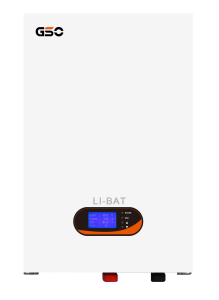
Physical installation can be just as relevant as electrical specifications. The GBP-W series uses a wall-mounted design, allowing the battery to sit against the wall rather than occupy floor space. For homes with limited utility-room or garage space, that configuration can influence the overall system layout.
The referenced product specifies IP20 protection and natural-air cooling or intelligent fan cooling. It also lists operating temperatures from -30°C to 60°C, with a recommended range of 10°C to 35°C. Those are product specifications, not a reason to install the battery anywhere without considering the actual environment.
Humidity, temperature, access, wiring, and mounting conditions should all be checked against the installation requirements of the selected model.
What Makes the System Matter Long Term?
The value of storage comes from repeated use, not simply having a battery installed. A well-designed system can increase the share of solar energy used within the home, shift energy away from selected peak periods, and provide backup capability when the grid is unavailable.
We also look at expansion because household requirements can change. The GBP-W design supports parallel expansion with automatic addressing, allowing multiple units to be connected to increase capacity—ideal when your initial system falls short of future needs.
Positioned as a wall-mounted residential storage solution, the GBP-W offers multiple capacity configurations and advanced inverter communication. The final choice, however, should still be based on your home’s actual load and installation conditions.
A Simple Way to Think About the Purchase
A home battery storage for solar system works best when three questions have clear answers: how much energy the household uses, when that energy is needed, and which loads must remain available when the grid fails.
The next step is to match those requirements with available system features, including inverter compatibility, battery capacity, discharge power, installation circumstances, and extension requirements. It avoids the typical pitfall of picking a battery just because its kWh number seems appealing.
At GSOpower, we incorporate LiFePO4 technology, wall-mounted installation, parallel extension, and inverter protocol options into our domestic home battery design.
The primary concern for a homeowner should not be whether or not a battery can store solar energy; that is obvious. Rather, it should be whether or not the chosen system efficiently stores enough energy, provides enough power, and works with the home’s working pattern.
That is why home battery storage for solar matters: it turns intermittent daytime generation into energy that can be used according to the household’s needs, while potentially adding a layer of resilience when grid power is unavailable.