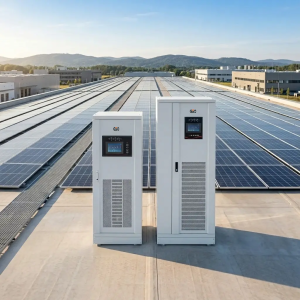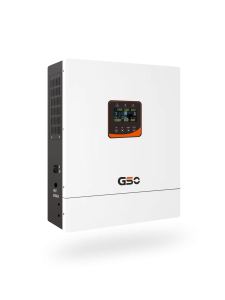

A hybrid solar power inverter connects solar generation, battery storage, and grid electricity in one coordinated system. Our GST Series is a split-phase inverter designed for sites that need 120 V and 240 V AC output. It can manage where power comes from and how a connected battery is charged. Understanding those decisions helps homeowners and small businesses judge what an inverter can do, which other equipment it needs, and why its settings matter after installation.
The Inverter Has More Than One Job
A basic solar inverter converts the DC electricity produced by panels into AC electricity for household or business equipment. A solar hybrid inverter does that conversion while also managing a compatible battery and a grid connection. Its controls respond to available sunlight, demand from connected loads, battery status, and the operating priorities chosen for the site.
The GST Series includes maximum power point tracking, or MPPT, to adjust how it draws energy from solar panels as light conditions change. It also monitors the grid and can draw on battery power for supported loads when grid supply is unavailable. The battery and panels are separate components; purchasing the inverter alone does not provide stored energy or a complete backup installation.
Follow the Power Through a Typical Day
When the sun is shining, the inverter can use solar electricity to serve connected loads and, depending on its settings, charge the battery. If production falls below demand, grid power or stored energy may supply the difference. After sunset, the system can draw from the battery or grid according to its configuration and the battery’s available charge.
During a grid outage, backup operation depends on available solar or battery energy, the inverter settings, and the electrical circuits selected for backup. The GST product specifications list a typical inverter-to-bypass switching time of 10 ms. That figure describes a device capability, not a promise that every appliance will remain on in every installation. An installer must design the required grid isolation and confirm which loads the system can support.
Choose the Right Charging Priority
Our GST Series offers four charging modes: solar only, solar priority, grid priority, and hybrid charging. Solar only uses panel output to charge the battery. Solar priority favors solar and can use the grid when sunlight is insufficient. Grid priority favors mains charging, which may be useful where electricity prices vary by time of day. Hybrid charging can draw on both solar and grid input.
Those choices matter because homes do not all have the same goal. One owner may want to store as much daytime solar energy as possible. Another may need a reliable battery reserve ahead of frequent outages. A business may want to schedule charging around its operating hours. The right setting depends on tariffs, weather, backup needs, and the connected battery; it should be reviewed during commissioning rather than left to chance.
What the GST Series Offers
Our GST Series includes models rated at 6.6 kW, 8.5 kW, 10.5 kW, and 12.5 kW. They provide split-phase 120 V and 240 V AC output, and the series supports up to nine inverters connected in parallel where the system design calls for more capacity. The specifications identify a 48 V battery platform and options for lithium, lead-acid, or user-defined battery settings.
The series also supports PV-only startup without a battery connected. That can be useful when solar panels are available but a battery is absent or depleted, although actual power remains limited by sunlight and the configured loads. Communication interfaces include RS485, CAN, USB, and dry contacts, with Wi-Fi or 4G listed as an external module. These features give installers ways to integrate and monitor the system, provided the selected components are compatible.
Why the Design Matters
A solar hybrid inverter can make a solar installation more flexible than a setup that only sends current panel output to loads or the grid. It creates a path for storing energy for later use, choosing a charging source, and supplying selected circuits during an outage. None of those benefits is automatic: the solar array, battery, wiring, controls, and local electricity rules shape the result.
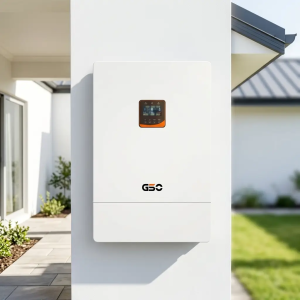
Before choosing a model, compare its rated output with the appliances that may run together, including the starting demands of motors or air conditioners. Confirm that the panel strings stay within the inverter’s PV voltage and current limits. Check battery voltage and communication compatibility, and decide which circuits require backup. The GST has an IP20 rating, so its installation location also needs suitable protection. A qualified installer can turn these checks into a design that matches the site.
Conclusion
A solar hybrid inverter matters because it coordinates several sources of electricity instead of performing conversion alone. For a practical purchase, start with the loads, then match inverter power, panel input, battery capacity, and backup wiring to the intended use. This makes it easier to choose charging priorities that serve a real household or business need.
At GSOpower, our GST Series for customers seeking split-phase solar, battery, and grid management in one inverter. With compatible equipment and careful configuration, it can help a site use solar energy more purposefully and maintain power to selected loads when the grid is unavailable.